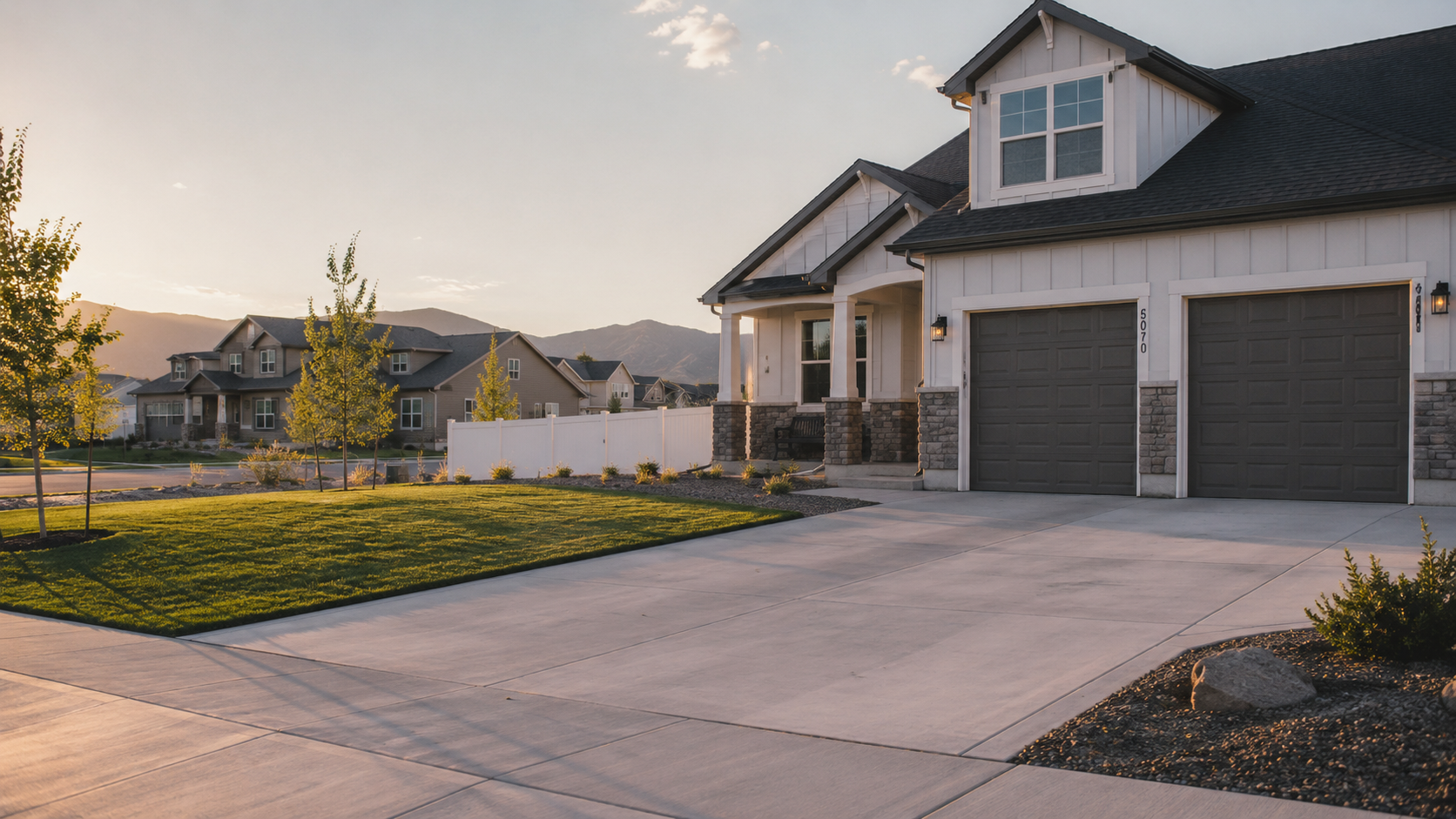
Eagle Mountain, Utah
Concrete Leveling in
Eagle Mountain Done Right
Concrete doesn't have to be replaced just because it's settled. We can lift sunken driveways or uneven sidewalks. Our team does mudjacking, polyjacking, and fixes sinking concrete. We're local to Eagle Mountain.
- Licensed and Insured
- Free On-Site Estimates
- 50–70% Less Than Replacement
- Same-Day Results in Most Cases
What Is Concrete Lifting?
Concrete Lifting means raising a sunken slab back to its original location, without removing it, so you are able to keep your existing slab. Depending on whom you speak with, this is referred to as concrete leveling, slab raising, or slab jacking. In essence, you get to keep the concrete slab you already paid for and restore it to its original place.
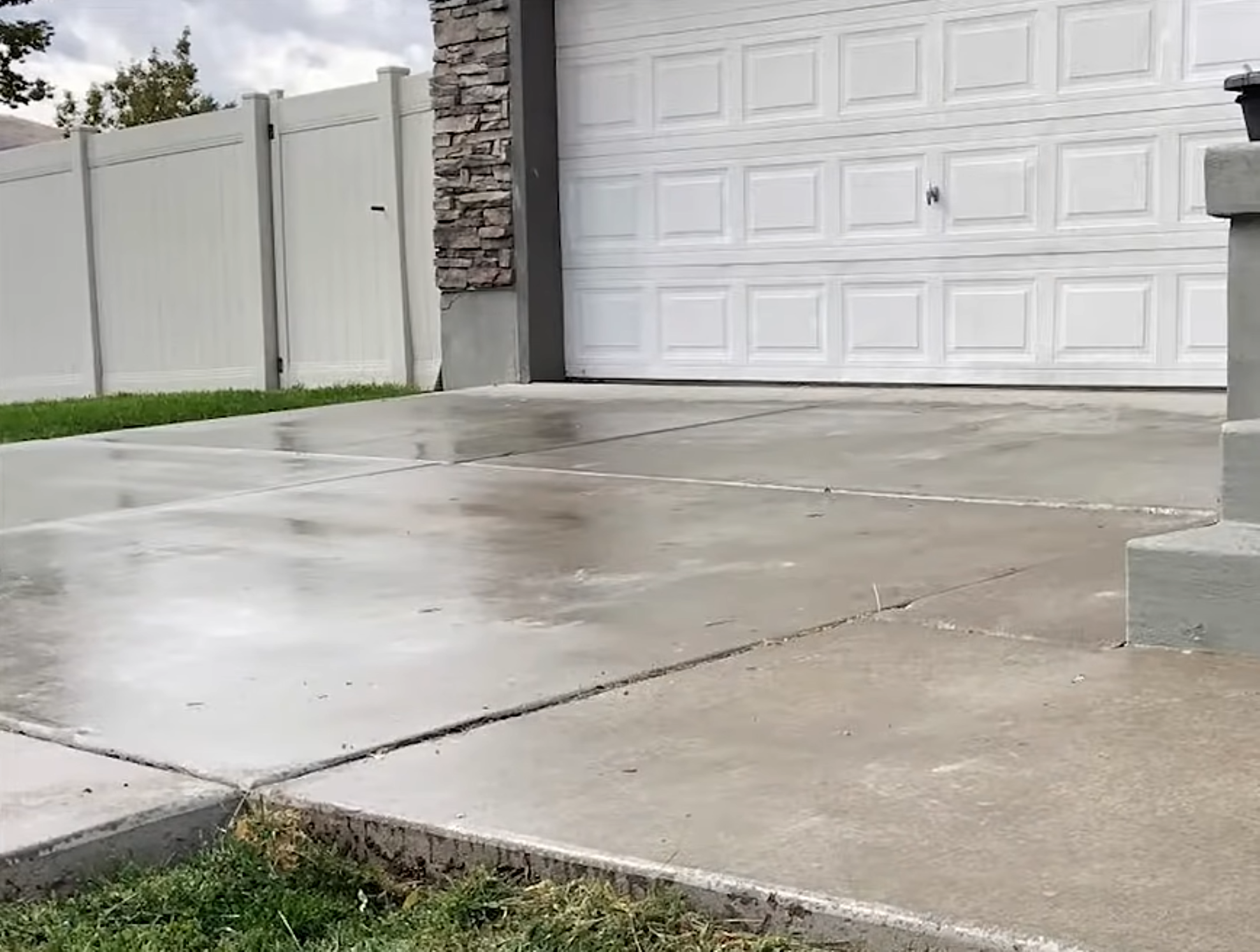
The basic concept is when you place heavy loads onto an area of ground or there is water flow eroding soil underneath a slab, the earth will shift and pack down. As a result, the space beneath the slab collapses and allows the slab to sink into the voided space. At this point, our technicians locate the area of collapse and simultaneously fill the hole by injecting material (under high pressure), which raises the slab back up to the original level.
As a comparison example, a flat tire has no damage to the tire itself; it simply lost all of its air pressure that held it up. Concrete Slab Lifting operates off of the same principle. Instead of pouring new concrete, or converting the surface to asphalt paving, we can lift your existing slab, thus restoring your existing concrete slab to its correct position in less than a day.
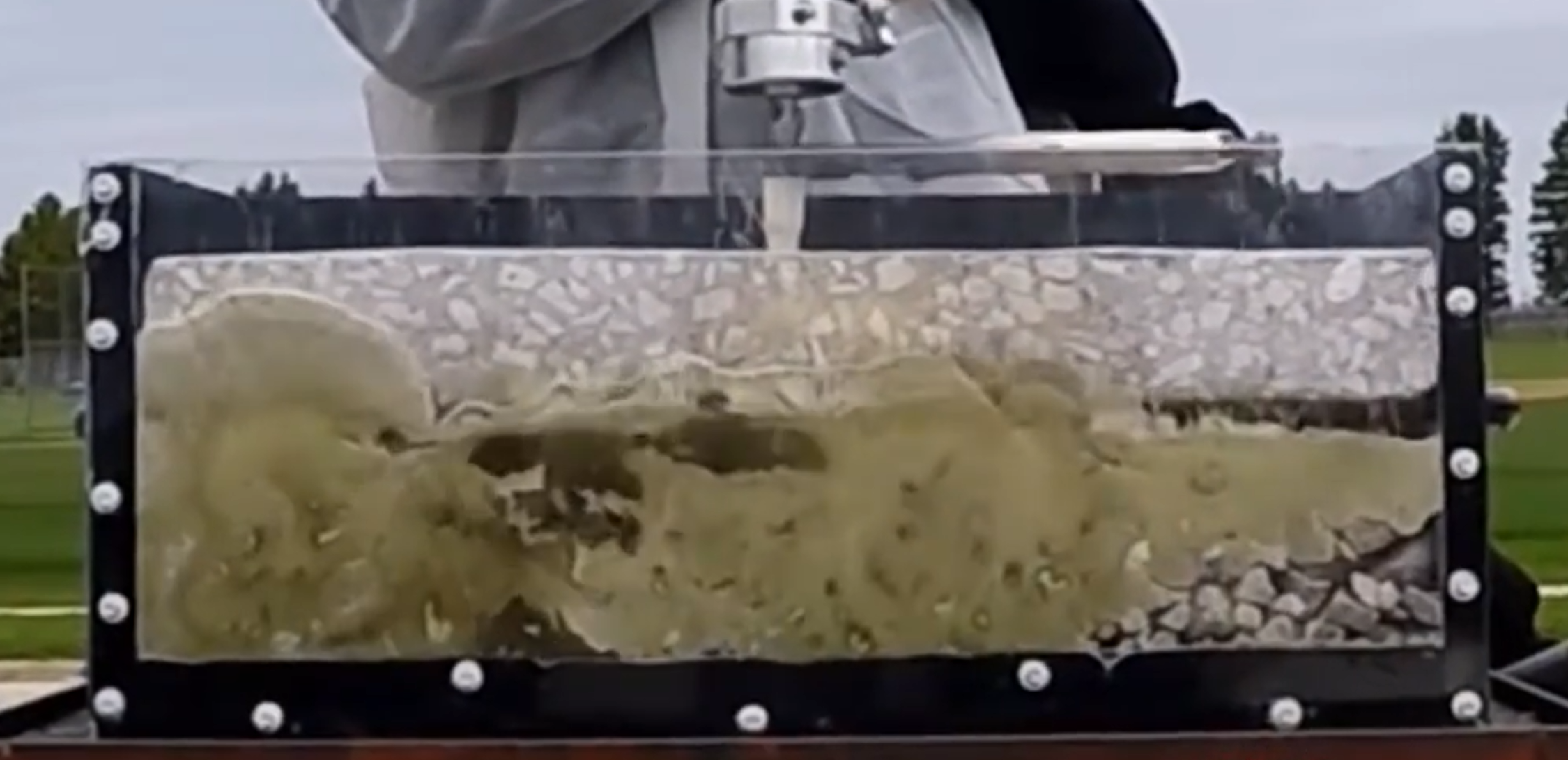
Why Concrete Sinks and Settles
Concrete almost never sinks on its own. So whether your home's slab has gone south, or is just starting to sink, it's usually due to movement somewhere underneath, shifting the slab down with it.
Soil Erosion and Washout
Yearly moisture under cement slabs will continue to erode the underlying soil causing a void to develop. Down spouts or a sprinkler leak are common culprits. Once you have a gap; the slab can't move anywhere else but downward.
Expansive Clay Soil
Most local Utah soils contain high amounts of clay. Clay absorbs large quantities of water and expands. This swelling occurs when the soil is moist. Then when the soil loses its moisture content; it shrinks (pulls back) again. Over time this process repeats itself multiple times. This cycling causes sufficient shifting of the soil and causes separation from the underside of the cement slab.
Freeze-Thaw Cycles
Winter weather creates cycles which test the durability of local concrete. Water seeps into cracks within the concrete allowing freezing temperatures to form ice crystals. As the water freezes it expands. The expanding ice creates pressure against the bottom of the slab creating a slight lift of the slab. When thawing begins; the earth settles back into place. However, once again it does so unevenly. The longer these cycles continue; the farther from level your slab will be.
Poor Original Compaction
When land development is rapid; construction crews often do not pack the gravel and dirt base under new driveways tightly enough. In addition to poor compaction, the added weight from homes and automobiles causes additional compression in the base area causing the slab to drop further.
Our Concrete Lifting Services
Driveway panels, walkway sections, patio pieces, garage floor areas, and sport court surfaces. If it sank, chances are good we’ll be able to get it back to level.
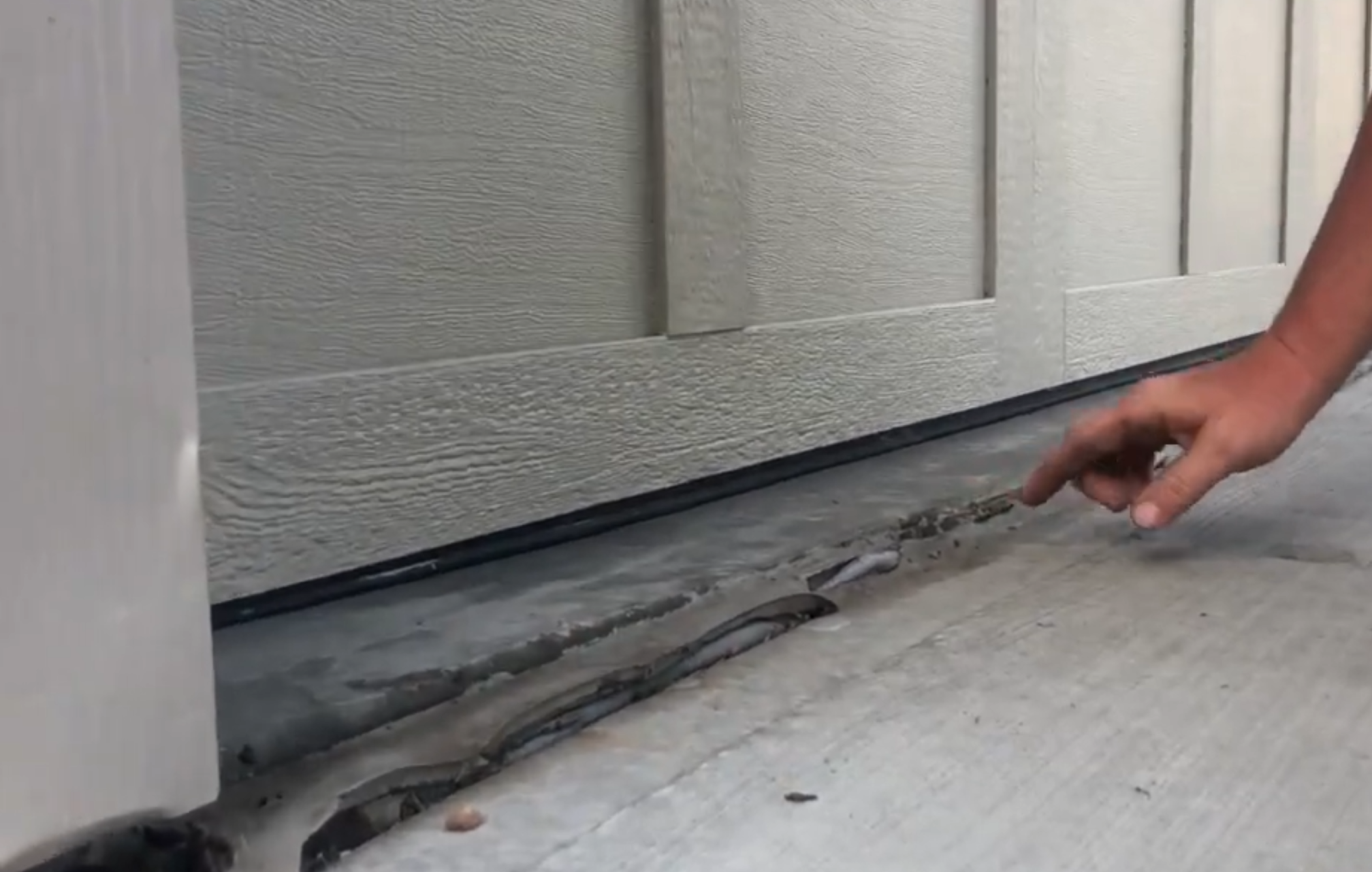
Driveway Lifting
Even if your driveway panel drops by just one inch it will scratch car bumpers and snag shoes. We raise the area of the driveway to its proper elevation and seal the gap so without damaging the cement slab.
Learn more →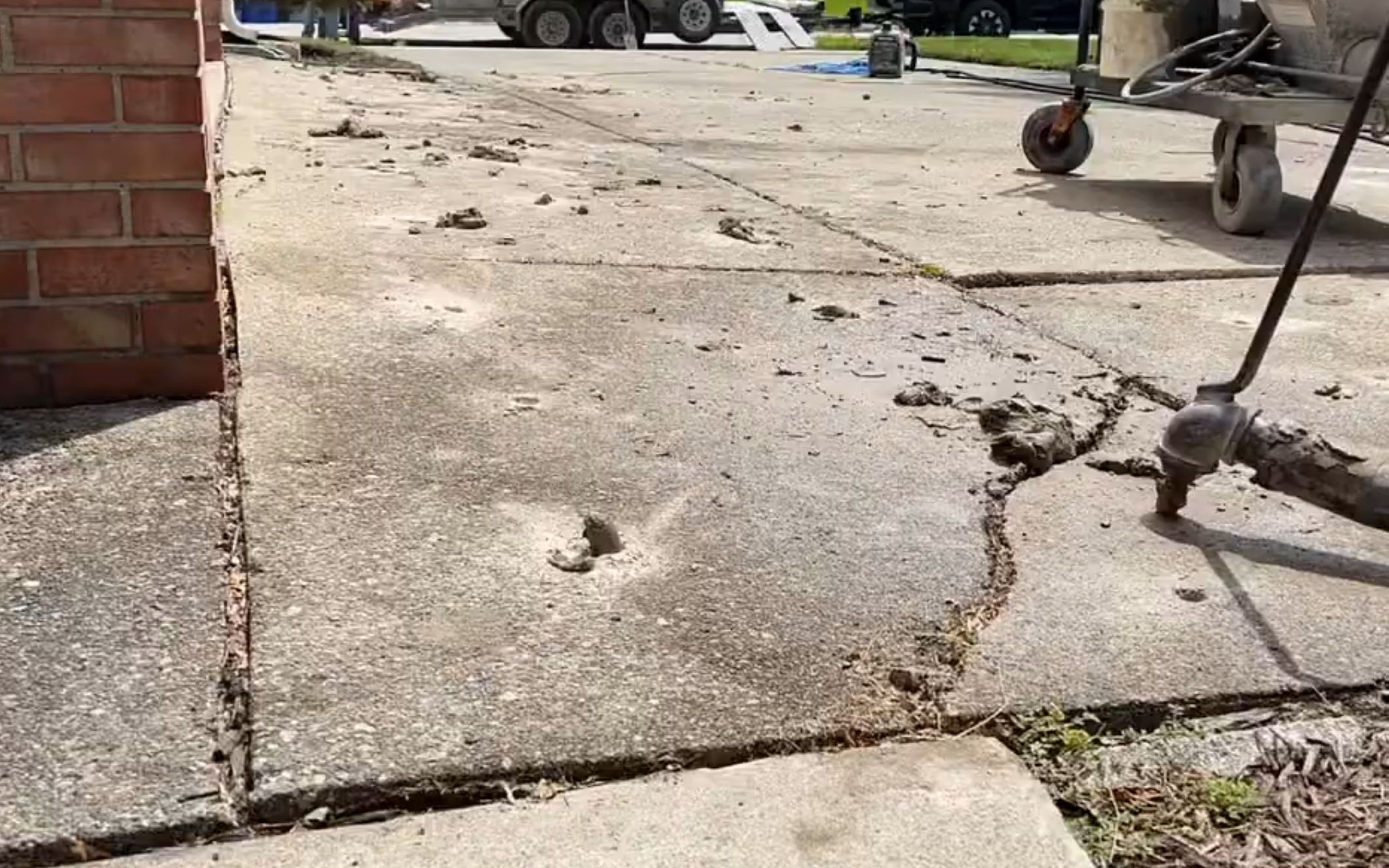
Mudjacking
This has been the traditional way to lift slabs with a great deal of success for large-scale projects. We inject a high density cement-mud material beneath the slab to both seal the gap and stabilize the slab at a fraction of cost than the original pour.
Learn more →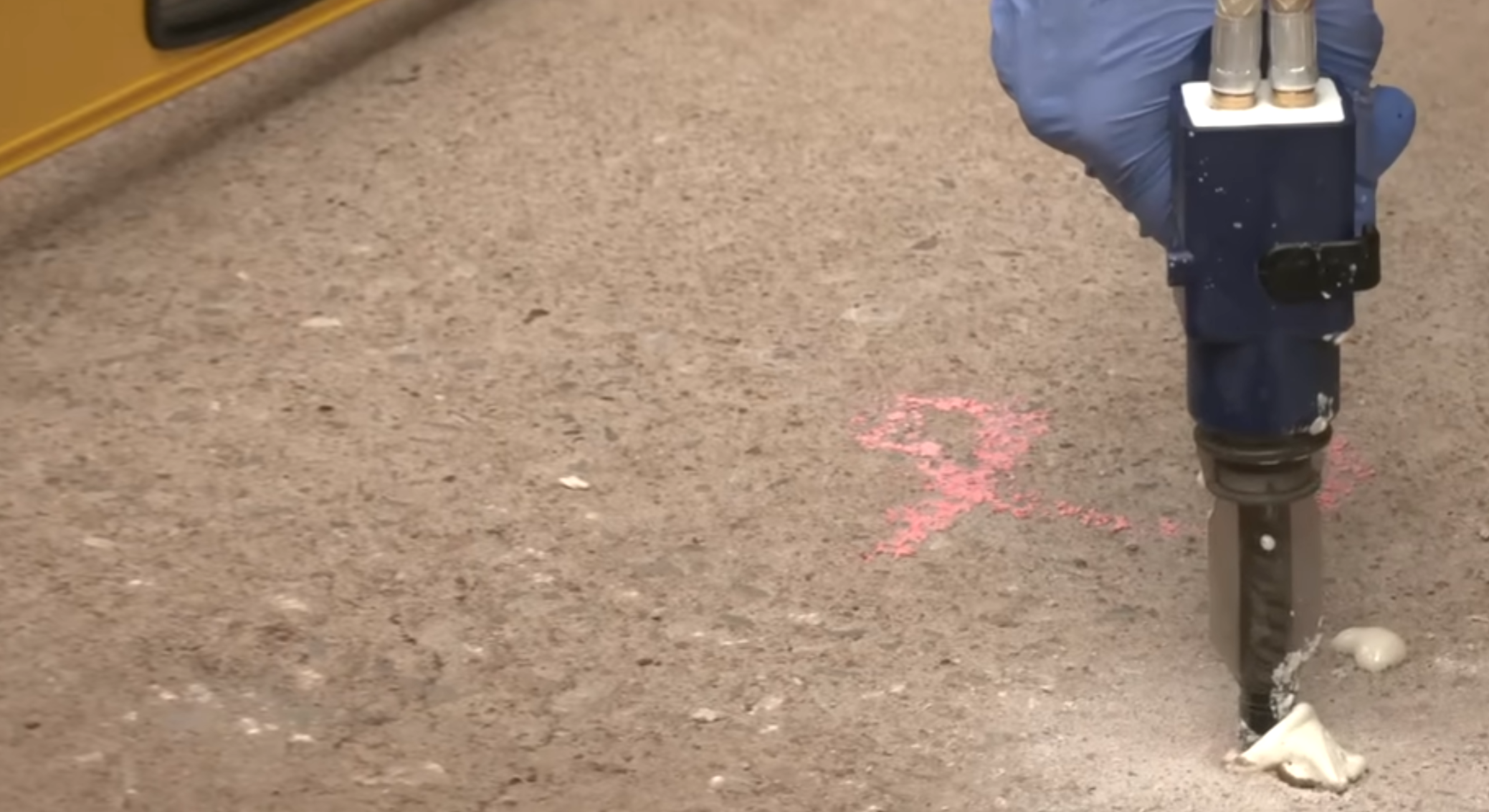
Polyjacking / Foam Lifting
An expanding polyurethane foam is injected into the void created by the settling slab filling it within minutes. Access holes are small (about dime size) and set-up time is short. On this same day you can walk, run, drive, etc., on this area.
Learn more →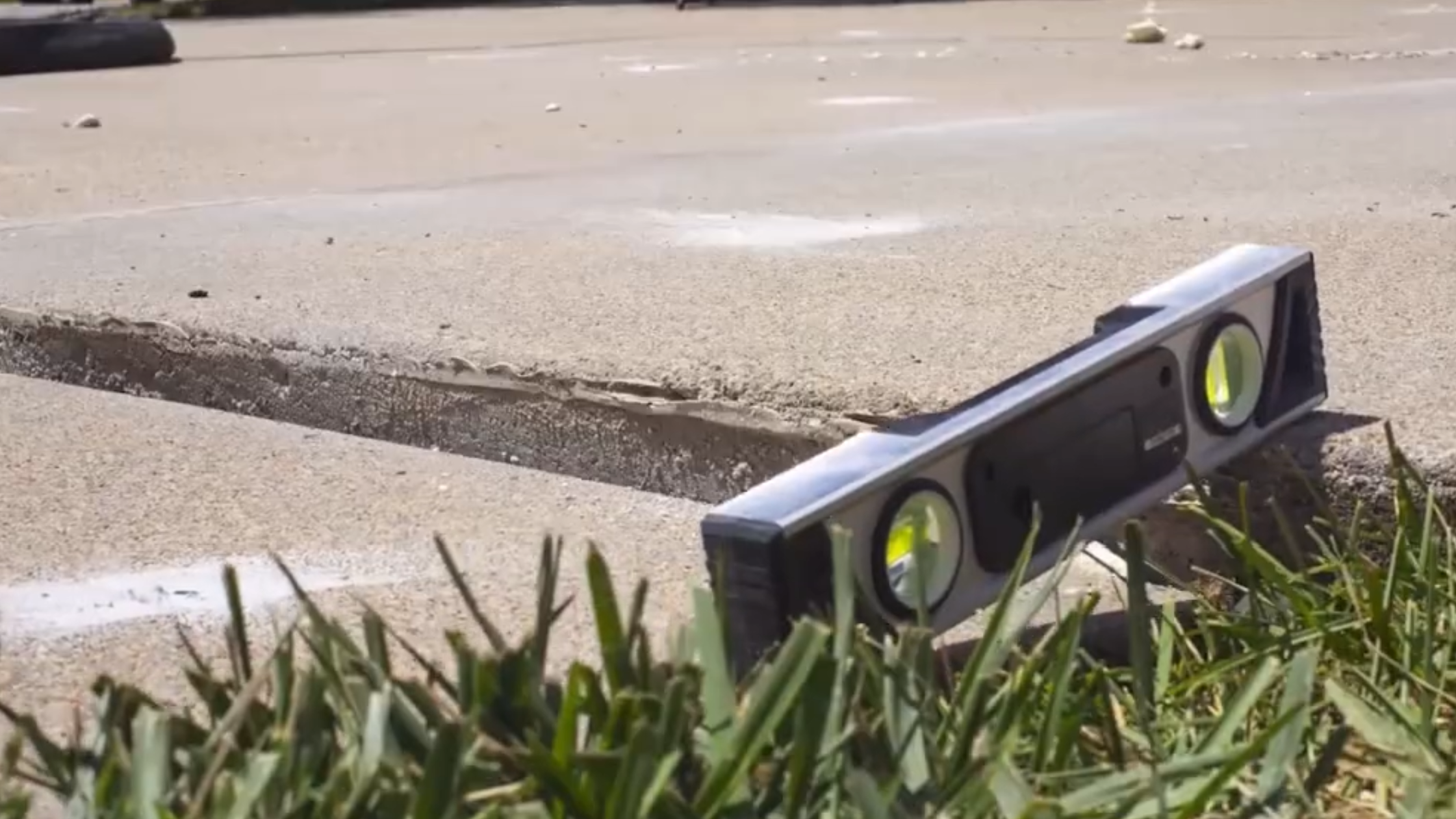
Sunken Concrete Repair
Eventually all slabs will sink. We identify how your patio, walkway, garage floor, pool deck sidewalk, or stoop has sunk. Then we lift the slab back to its original position.
Learn more →Why Utah Sees More Concrete Settling Than Most
Utah County is home to a lot of clay in its top soil layer. This clay makes it difficult for concrete by swelling when it rains and shrinking when it gets hot. On top of the clay-filled ground is where a lot of new homes have been built. Those houses were put on grade fill (earth or dirt) that had not yet compacted (or packed down) enough before they poured a concrete driveway on top.
On top of all those problems, there is a long freeze/thaw season in this area. When you add that to the rapid development of many subdivisions in Utah County where most lots are very level, and the way that water flows, it creates conditions that lead to lifted or cracked concrete. For people who live near the west side of Utah County, the need to lift concrete will be something they deal with sooner or later.
Clay-Heavy Soil
Wet and dry weather cycles create small pockets under your slab as reactive clays swell during wet times and shrink during dry times.
Harsh Freeze-Thaw Winters
With each freeze and thaw, your soil shifts ever so slightly. Over the course of many winters, these slight movements can cause your slab to drop.
Rapid New Construction
Many subgrades for new developments are developed at break-neck speed. As such, during the early years of owning one of these properties, it's common for them to develop some compaction on their own.
Flat Grading and Poor Drainage
Flatly graded lots have a tendency to allow the water to run off and get under your slabs, slowly washing away the soil underneath.
Mud-jacking vs. Poly-jacking: what’s best for you?
Both mud-jacking and poly-jacking can be used to elevate the same sunken concrete. Ultimately, what is best depends on the size of the slab, when you want to get the surface back to normal and what your budget is.
| Factor | Mudjacking | Polyjacking (Foam) |
|---|---|---|
| Material | Cement, soil and sand slurry | Expanding polyurethane foam |
| Hole size | 1–2 inch diameter | Dime-sized |
| Cure time | 24–48 hours to drive on | 15 minutes, ready same day |
| Weight added | Heavy, adds load to soil | Very lightweight |
Still unsure whether either mud-jacking or poly-jacking is the best fit for your job? We consider the condition of the slab, the condition of the soil underneath it and your time frame for completion when we do our on-site inspection and make recommendations based on the best fit.
Do You Lift or Replace Your Concrete?
This is usually one of the very first questions homeowners ask. But here's an easy way to help you decide if lifting or replacing is the best course of action...without all of the sales talk.
Lifting Is the Right Choice When...
- The concrete is still structurally sound with no large chunks broken off of it
- When the reason for dropping was due to movement of the soil underneath the concrete (not failure of the concrete)
- When Cost is a concern; lifting costs about 50% to 70% less than complete replace job
- When Time is important; most jobs that require lifting are done within hours as opposed to multiple days required for a new pour and curing process
Replacement Makes More Sense When...
- Large sections of the concrete have broken off into small pieces that move independently. These pieces can't be lifted properly to create a stable surface
- When you're going to be making significant changes to the space including changing its dimensions (footprint) anyway
- You are redesigning the area or changing the footprint of the patio or drive anyway
During our site visit, we'll advise as to whether the slab should be lifted and if it needs to be replaced.
How Concrete Lifting Works
The following are the steps involved from the time we take your initial call until the time your job is completed.
1. Initial Walk-Through/Free Evaluation
At this stage, We walk the area with you. We identify which panels have dropped (i.e., where the slab has sunk or cracked), calculate how many inches of lift the affected sections need, and determine if there are any conditions present which will prevent the slab from being a viable candidate for repair. Before any work begins, you receive a written estimate.
2. Drill and Inject
Once approved, we locate points on the slab where we drill small holes to create an access point into the voids below. After drilling, we then inject material into these areas using pressurized equipment. As such, you won't see or hear a jackhammer tearing apart your yard; there will be no debris piled next to your home or curbside.
3. Level, Patch, and Done
Finally, we monitor the slab's elevation as it rises until we reach the desired height. At this point, it is critical to avoid over-lifting since additional problems may develop. Upon reaching the appropriate elevation, we fill in the injection holes, clean up all remnants of our presence at your property, and inform you of when you can safely resume walking upon or driving on your repaired slab.
Why Utah County Homeowners Call Us
-
We Know This Dirt
We are very familiar with what clay soil will look like in those subdivisions and how concrete reacts when subjected to extreme temperatures (Utah winters/summer)
-
Upfront and Honest Pricing
There are never any "add-ons" to the original quote. There should also never be any pressure to purchase service that was originally excluded from your quote.
-
One Visit, Clean Worksite
Almost all jobs can be completed on one visit. Your home can go back to normal as quickly as possible.
-
Costs Less Than Replacing
Lifting the existing slab will save you approximately 50-70% of the cost associated with completely removing and replacing the slab.
Before and After: Results That Hold Up
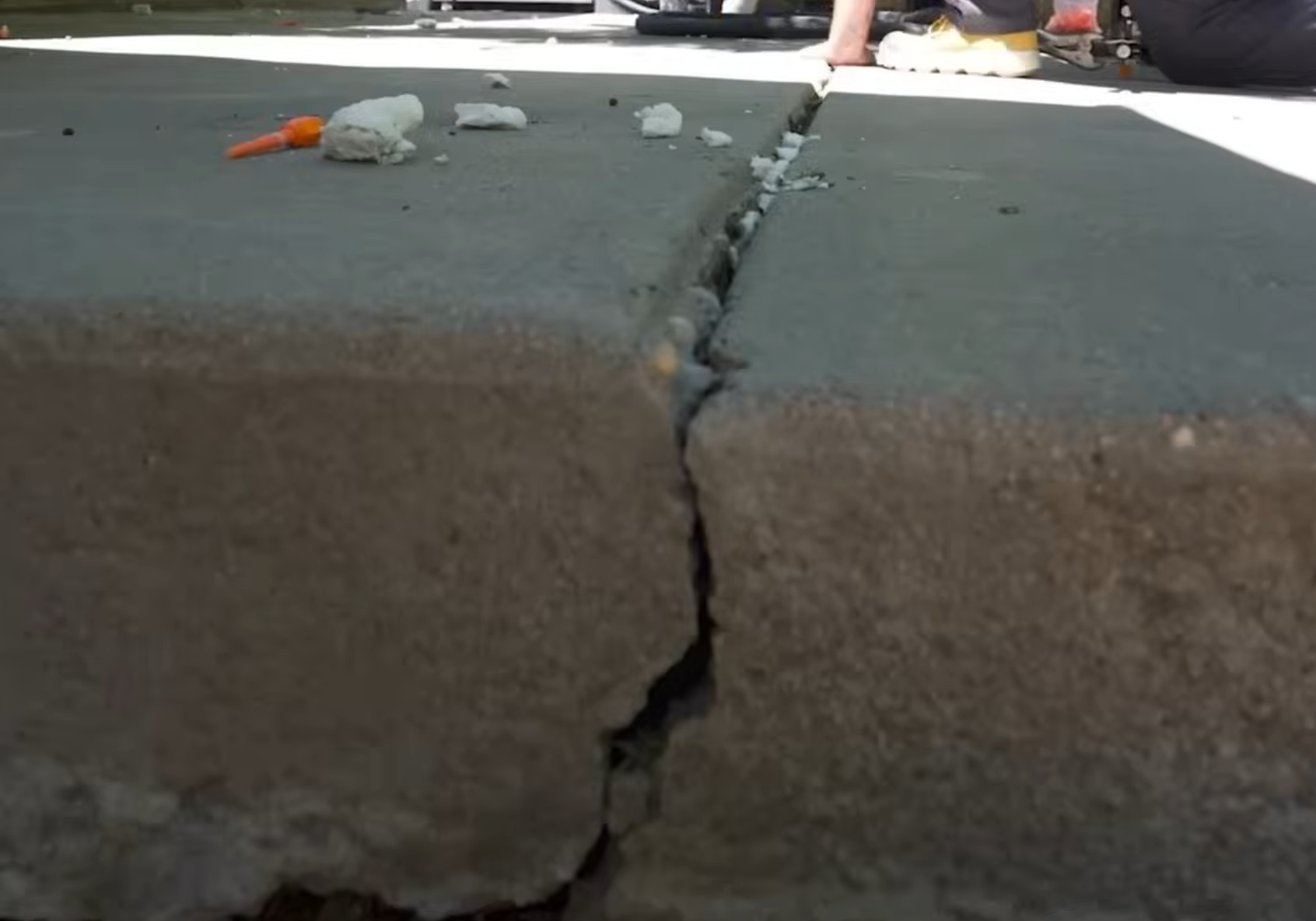
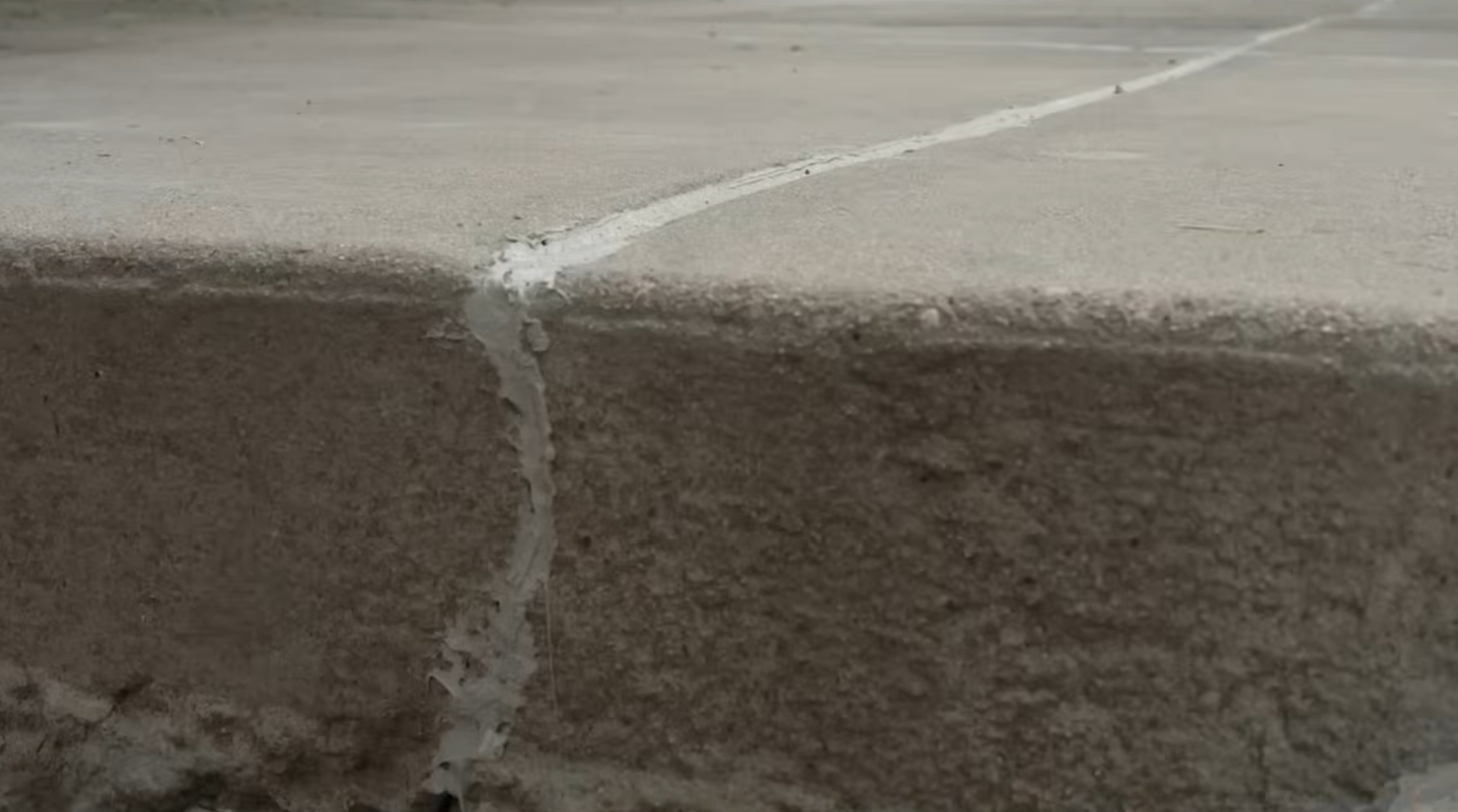
Real jobs, real homeowners. Driveways, walkways, and slabs lifted across Utah County.

Frequently Asked Questions
Common things people ask about when they're thinking about doing concrete leveling and slab repair.
How long will it take to level my concrete?
The majority of homes get done in one to three hours. Driveway sections and individual sidewalk panels generally get done in less than two. Typically you'll be able to walk on it the same day and drive on it in 24 hours.
Is leveling cheaper then replacing concrete?
Yes. By a large margin. A lift normally costs 50 to 70% of what it would cost to replace the concrete completely. A new concrete driveway can cost upwards of $2,000 and that doesn't include removing the old one (demolition), hauling away the old one (haul-away) or pouring the new one (a fresh pour). Even switching to asphalt won't save you money because you'll have to spend just as much to remove the old slab before laying down the new one. In contrast, lifting the same area is significantly less expensive.
Why is my concrete sinking in Eagle Mountain, Utah?
Utah Soils contain a lot of clay which causes them to expand and contract depending on moisture levels. Along with poor drainage that directs water towards slabs, the constant expansion and contraction of the soil beneath your slab creates voids in the dirt that holds the slab up. The slab itself is fine; it was simply the dirt holding it up that shifted.
Are the repairs visible after the job?
You will likely be able to tell where we patched the holes at first. The color of the patch material will be slightly differently than the surrounding cement. This is especially true on newer concrete. It typically blends together as the patch ages. Matching the existing cement is one of our top priorities, so it blends in as much as possible.
How long will the results last?
This really depends upon both the type of soil and continuing drainage issue(s). On average, jobs that also resolve the root cause of why your slab settled in the first place (such as fixing a leaky water line or directing downspouts correctly) tend to stay solid for 10+ years. However, if your drainage continues to erode the soil from beneath your slab there may need to be additional maintenance done periodically. During our evaluation, we note any drainage issues we can see.
Does concrete leveling work in winter?
Usually, yes. It depends upon how cold the soil under the cement is. Mudjack slurry requires soil that will remain above freezings to cure properly. Polyurethane foam works better when it's very cold. The best time frame for most of Utah county is spring, summer, fall, and when there isn't snow covering the ground during winter.
Can all sunken concrete be lifted?
Not all concrete slabs are candidates to have their settling repaired. Concrete that is still solid and has simply sunk due to soil settlement is ideal. Concrete slabs that have broken up into numerous pieces or have been worn so thin over the years they no longer support foot traffic will generally need to be replaced. During our initial site visit, we determine the right fix for your slab, from a simple lift to a full driveway repair.
Can you level a sunken basketball, pickleball, or tennis court?
Yes. Concrete sport courts sink for the same reasons as any other concrete slab and we raise them using the same method we do to raise sunken driveways and patios. If you plan on installing a brand new court from scratch (as opposed to repairing a existing sport court) then you would want to contact a specialized sport court contractor
Serving Eagle Mountain and the surrounding areas in Utah
We are local. We know the streets, the soil, and what good concrete leveling looks like in this corner of the state.
4317 Pony Express Parkway Ste 220
Eagle Mountain, UT 84005
Ready to Get Your Concrete Back to Level?
Get a free, no-obligation estimate from a crew that actually lives in Utah County. We come out, take a look, and give you a straight answer on what it will take to fix it.