Eagle Mountain, UT
Driveway Concrete Lifting
in Eagle Mountain
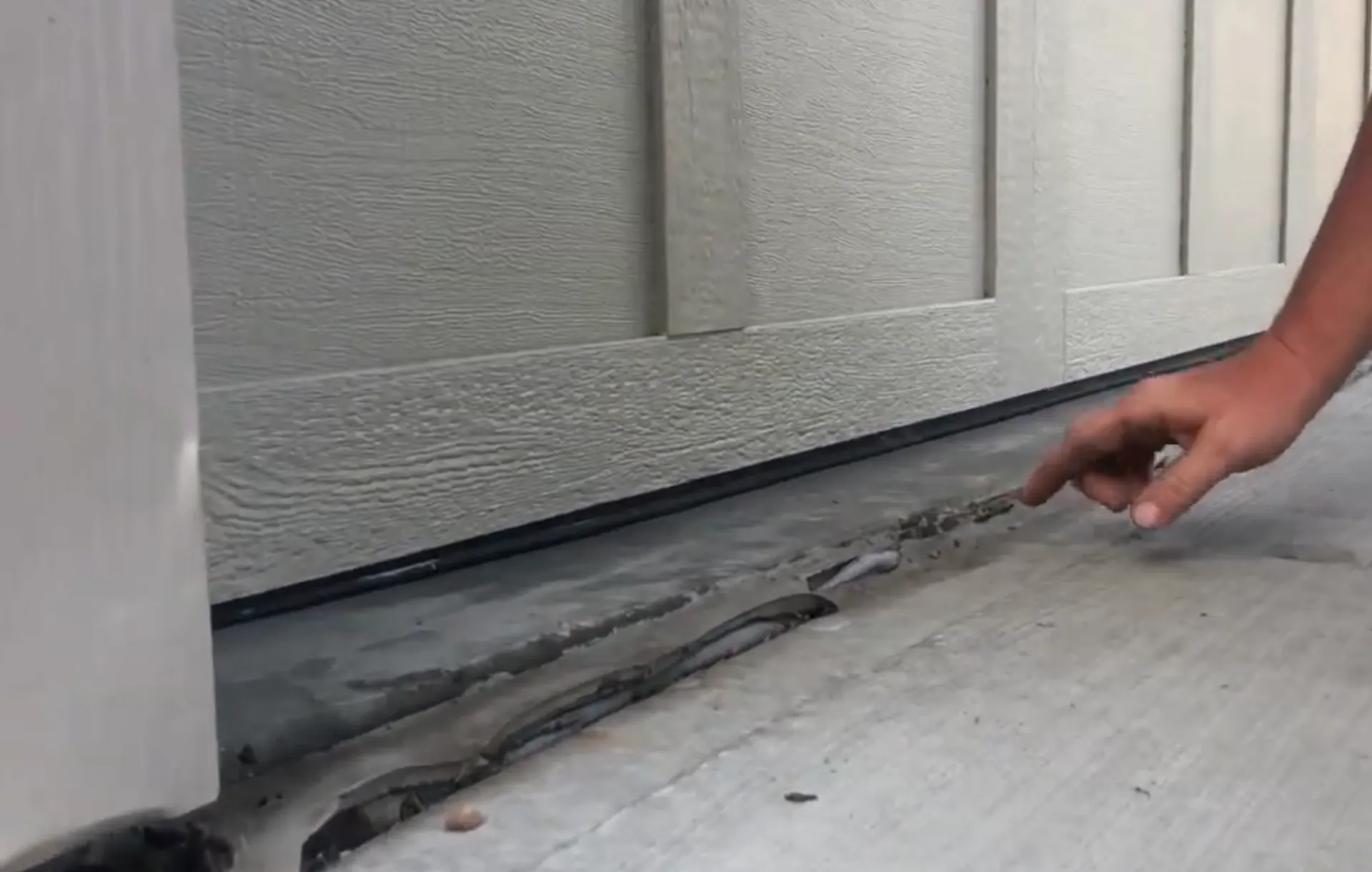
A driveway that has sunk doesn't only look terrible; it can also damage the bottom of your vehicle, and is a hazardous tripping issue. And, unfortunately, each year during the winter months this condition will only get worse. We restore it to the correct height in just one service call without having to tear down anything.
Why Driveways Sink in Eagle Mountain
Eagle Mountain sits on soils with a heavy clay content. Clay reacts strongly to moisture. In wet stretches it soaks up water and swells. In dry summers it shrinks back. That cycle works its way under driveway slabs over time, slowly pulling support out from underneath them. Eagle Mountain's soils have a high clay content. Moisture has a significant impact upon clay. When exposed to moisture, clay absorbs water and expands. However, once the moisture evaporates (and during dry summer months) the clay returns to its original state by shrinking back. This swelling and shrinking action occurs repeatedly beneath driveway slabs over an extended period of time causing these slabs to lose support.
Utah winters add more challenges. When water becomes frozen within the soil in Eagle Mountain (as well as throughout Utah), the freezing/thawing process can move soil around at a rapid rate than previously thought. Flat areas of land which direct water towards driveways instead of directing the water away and will cause settling. Once a void is created beneath a driveway panel, the concrete falls into the void and creates a lip/step between panels. These lips/steps are common for catching vehicle bumpers as vehicles enter and tripping individuals who leave their homes.
The end result is one driveway section sitting lower than the rest. You get a lip or step between panels, the kind of thing that catches a car bumper on the way in and trips visitors on the way out.
Lifting vs Replacing Your Driveway
Most homeowners ask us the very same initial question when calling: "Do we need to replace the entire driveway?""
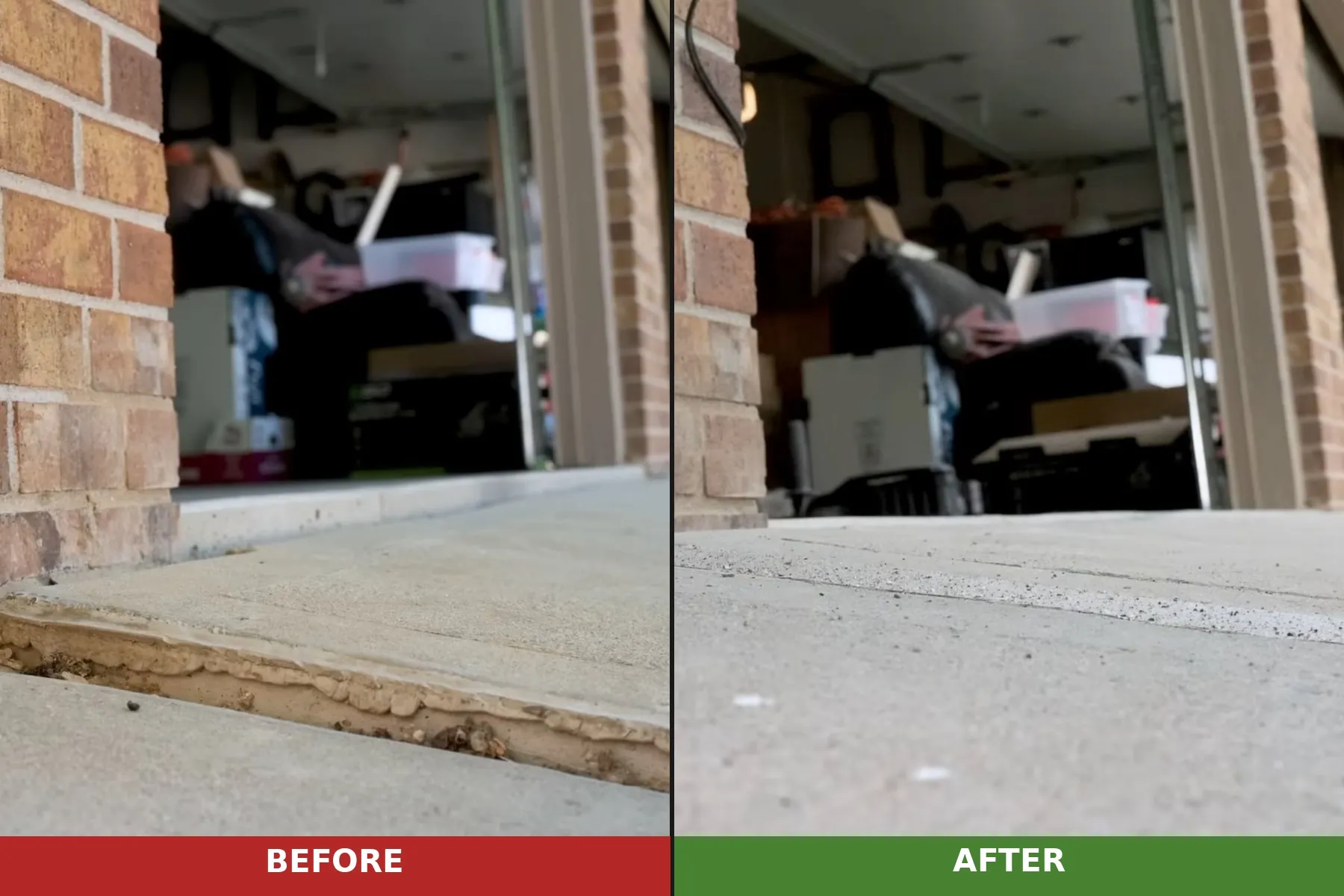
In nearly all cases, no. If the majority of your driveway remains intact (the concrete isn’t damaged/broken into multiple small pieces) there is typically no reason to replace the entire driveway. Instead, simply lift the affected sections of your driveway back to the location where it originally rested at the time of construction.
Compared to replacing an entire driveway (with costs ranging from $3,000-$10,000+ based on size/square footage) lifting your driveway will save you 50-70% of the cost and provide you with the exact same smooth surface to safely park and walk upon.
Driveway Lifting at a Glance
- Job typically completed in 1 to 3 hours
- Walk on it the same day in most cases
- 50 to 70 percent less than full replacement
- No demolition or concrete haul-away required
- Small access holes are neatly patched after the lift
- Free estimate, no pressure
What to Expect When We Arrive
-
1
Inspection and Assessment
We walk your driveway together, identify which panels have fallen down, assess how high each panel needs to be lifted, and inspect for cracks or other damage that could affect the success of this process.
-
2
Drill Access Holes
We will create small access holes through the sunken area of the slab. These holes allow us to fill the void from below. Once the job is completed we seal these holes using a type of concrete that matches (as closely as possible) the color of your existing driveway surface.
-
3
Pump and Lift
The material is pumped into the access hole(s), filling the void created under the sunken section of the slab. As this occurs, pressure begins to build, causing the slab to rise. We will monitor the slab's progress until it reaches the desired elevation.
-
4
Patch and Cleanup
Once the slab has been raised to the desired elevation, we will apply a concrete patch mixture to the access Holes that were drilled. This will blend seamlessly with the surrounding surface. After completing the cleaning of your driveway (and removing all equipment) your driveway will be safe to drive on again.
Driveway Lifting Questions
Can all sunken driveways be lifted?
In most cases, yes. If the concrete has enough good material and the sink was caused by soil shifting under the slab then we can generally expect to lift that area back to its original position. The other possibility is if the slab cracked into numerous small pieces; then we would probably recommend replacing that section of slab rather than attempting to lift it. Once we have had a chance to assess your driveway's condition we will advise you as to whether or not it belongs to either category.
How long will it stay level after lifting?
This really depends upon what type of soil exists at this location and how well the water drains off the slab. Most driveway lifts are able to provide stable conditions for 10+ years. However, providing some means of directing water away from the slab (and the soil directly under it) after completion will help extend the length of time that it remains level. .
When can I park on my driveway again?
The amount of time you need to wait before you can safely use your driveway will depend upon the type of lifting process that was used. With most lifting processes, you should be able to walk on the surface immediately and begin driving on it with in 24 hours. Before we leave your property we will let you know exactly when you can start using your driveway again.
Explore related services and resources: